
What Is NAD+?
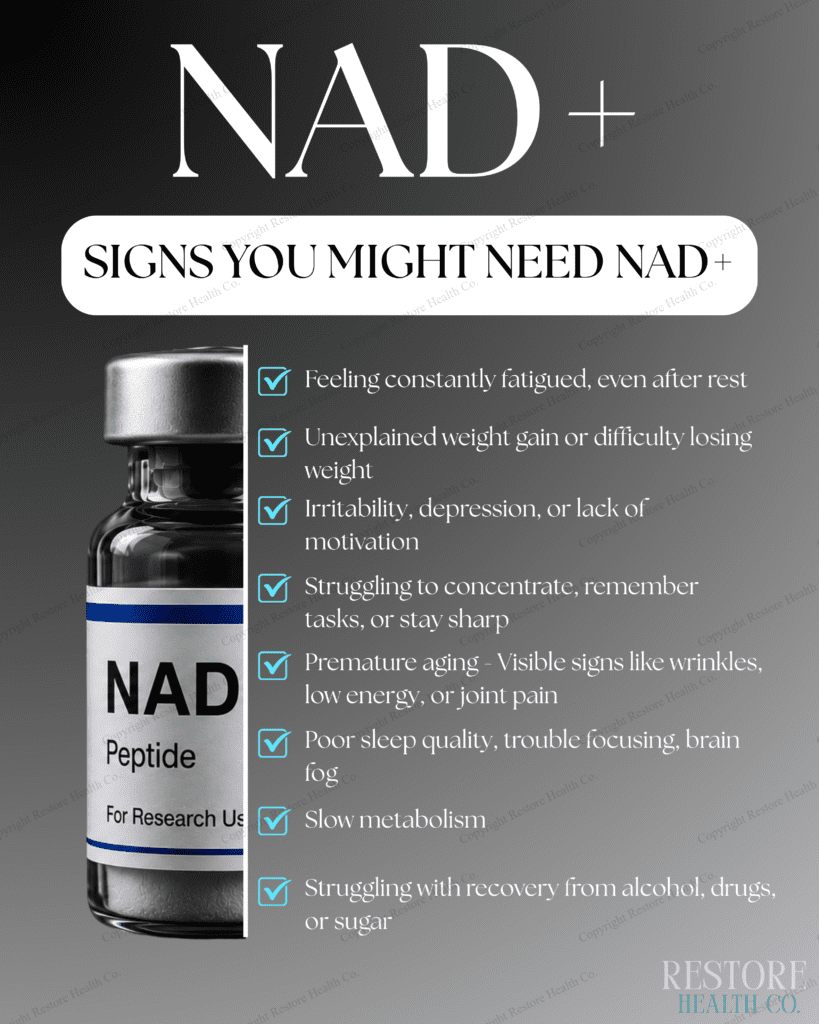
Nicotinamide Adenine Dinucleotide, better known as NAD+, is one of the most important molecules in the human body. Found in every living cell, NAD+ plays a critical role in energy production, cellular repair, metabolism, and healthy aging.
Without NAD+, our cells would be unable to convert nutrients from food into usable energy. As researchers continue to study longevity and optimal health, NAD+ has emerged as one of the most exciting compounds in wellness and regenerative medicine.
Unfortunately, NAD+ levels naturally decline with age. By middle age, many people have significantly lower NAD+ levels than they did in their youth, which may contribute to fatigue, slower recovery, reduced metabolic efficiency, and other age-related changes.
Why Is NAD+ So Important?
NAD+ serves as a coenzyme that participates in hundreds of essential biological reactions throughout the body.
Some of its most important functions include:
- Supporting cellular energy production
- Assisting DNA repair mechanisms
- Supporting healthy brain function
- Promoting mitochondrial health
- Supporting metabolic function
- Activating longevity-associated proteins called sirtuins
- Helping maintain overall cellular resilience
Because NAD+ is involved in so many critical processes, maintaining healthy levels has become a major focus in preventive and longevity medicine.
NAD+ and Cellular Energy
Every cell in your body relies on tiny structures called mitochondria to produce energy. These mitochondria use NAD+ to help convert carbohydrates, fats, and proteins into ATP—the primary energy currency of the body.
When NAD+ levels decline, cellular energy production may become less efficient.
Many individuals interested in NAD+ optimization report goals such as:
- Improved daily energy
- Enhanced mental clarity
- Better exercise recovery
- Increased productivity
- Improved overall vitality
Researchers continue to investigate the relationship between NAD+ levels and physical performance, fatigue, and healthy aging.
NAD+ and Healthy Aging
One of the most exciting areas of NAD+ research involves its potential role in supporting healthy aging.
Scientists have discovered that NAD+ helps activate proteins known as sirtuins, often referred to as “longevity genes.” These proteins help regulate important cellular processes including:
- DNA maintenance
- Cellular repair
- Inflammation regulation
- Metabolic health
- Stress resistance
As NAD+ levels decline over time, these protective mechanisms may become less efficient. Maintaining healthy NAD+ levels has become an important area of study for those interested in optimizing longevity and long-term wellness.
NAD+ and Brain Function
The brain requires enormous amounts of energy to function properly. Because NAD+ plays a central role in cellular energy production, researchers have become increasingly interested in its effects on cognitive health.
Areas currently being studied include:
- Mental clarity
- Focus and concentration
- Cognitive performance
- Neuroprotection
- Age-related cognitive changes
While research is ongoing, NAD+ remains one of the most promising compounds being explored for supporting long-term brain health.
NAD+ and Metabolic Health
Metabolism involves far more than weight management. It encompasses how the body processes nutrients, regulates energy, and maintains overall physiological balance.
Research suggests NAD+ may support:
- Healthy mitochondrial function
- Cellular metabolism
- Insulin sensitivity
- Energy utilization
- Overall metabolic efficiency
Because of these potential benefits, NAD+ has become increasingly popular among individuals seeking comprehensive wellness and performance optimization.
Why Do NAD+ Levels Decline?
Several factors contribute to declining NAD+ levels over time, including:
Aging
Natural NAD+ production decreases as we get older.
Chronic Stress
Physical and emotional stress may increase the body’s demand for NAD+.
Poor Sleep
Inadequate sleep can negatively affect cellular repair processes that rely on NAD+.
Inflammation
Chronic inflammation may increase NAD+ consumption throughout the body.
Environmental Factors
Exposure to toxins, poor dietary habits, and other lifestyle factors may contribute to accelerated NAD+ depletion.
How Can NAD+ Levels Be Supported?
Several strategies may help support healthy NAD+ levels:
Regular Exercise
Physical activity has been shown to stimulate pathways involved in NAD+ production.
Quality Sleep
Consistent, restorative sleep supports cellular repair and recovery.
Balanced Nutrition
Nutrients such as vitamin B3 derivatives serve as building blocks for NAD+ production.
Stress Management
Reducing chronic stress may help preserve healthy cellular function.
NAD+ Therapies
Some individuals work with healthcare providers to explore NAD+ supplementation or NAD+-supporting wellness protocols as part of a comprehensive health plan.
Is NAD+ Therapy Safe?
NAD+ therapies are generally considered well tolerated when administered under the supervision of qualified healthcare professionals. As with any wellness treatment, suitability depends on an individual’s health history, goals, and medical circumstances.
Anyone considering NAD+ therapy should consult a knowledgeable healthcare provider to determine the most appropriate approach for their specific needs.
The Future of NAD+ Research
NAD+ has become one of the most heavily researched molecules in the fields of longevity, regenerative medicine, and performance optimization.
Researchers continue to explore its potential role in:
- Healthy aging
- Cellular repair
- Brain health
- Metabolic function
- Physical performance
- Recovery and resilience
As our understanding of cellular health continues to grow, NAD+ remains at the forefront of innovative wellness strategies designed to help people maintain vitality throughout life.
Interested in Learning More About NAD+?
At Restore Health Co., we believe in evidence-based approaches to optimizing health, performance, and longevity. If you’re interested in learning whether NAD+ therapy may be appropriate for your wellness goals, our team is here to help.
Contact us today to schedule a consultation and discover how personalized wellness strategies can support your long-term health and vitality.
Disclaimer: This article is for educational purposes only and is not intended to diagnose, treat, cure, or prevent any disease. Individual results may vary. Always consult a qualified healthcare professional before beginning any new treatment.